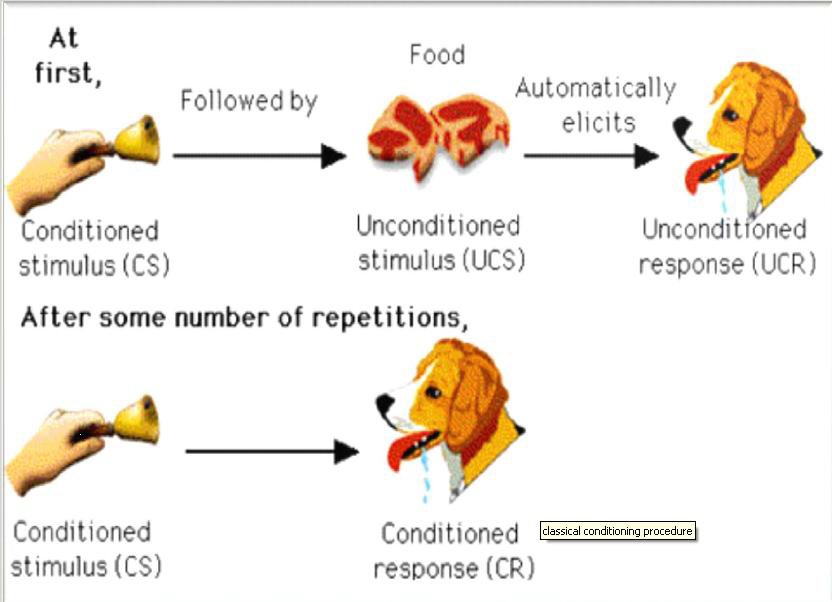
Learning by association – one can have false intuitions about pleasure and harm.

The experience machine is a thought experiment meant to demonstrate that somehow, sentient organisms care about other things except escaping pain/maximizing pleasure, I believe this is fundamentally impossible.

As in, there’s a machine you can get into, and it will create greater pleasure than you get from living your current life with your family, friends, maybe partner, etc, and they would also be well taken care of without you, so it’s no big deal, just get in there and feel even better.

If we chase pleasure, why wouldn’t everyone get into that machine?

I think the answer is simple – because they’re delusional and therefore don’t actually believe the experience machine will give them more pleasure, so I don’t see how this experiment threatens the value theory of hedonism.

Humans learn by association, unless you are very systematic perhaps like some autistic people are, you likely don’t analyze the details of every situation as to what causes more or less suffering, you make rough associations between things, and I believe this explains fixation on deontology and virtue ethics over utilitarianism.

John saw his mom get raped by a guy with a red hat and leather jacket as a child, now he gets a panic attack whenever he sees a guy with a red hat and leather jacket in public because in his mind red hat and leather jacket=rape.

You see lying generally results in harm, so therefore you conclude that lying must always result in harm and tell the nazis the jews are in your basement. See, you did a good job there in your mind, you prevented lying so you prevented harm.

You see that ending human life generally results in harm, so therefore you conclude that ending human life must always result in harm and become a pro-lifer who cares about the non-existent welfare of non-conscious fertilized eggs and support anti-euthanasia laws to make sure that everyone suffers as much as possible from being forced to live and can’t escape.

One can have false intuitions/delusions about what will efficiently reduce suffering/maximize pleasure, the deluded religious terrorist thinks he must bomb the gay pride parade to stop these evil faggots from infesting society with AIDS. See, I’m saving all of you from going to hell by stopping these evil pro-AIDS propagandists from forcing you to have unprotected anal sex, this means we’ll all go to heaven later on, so it is the lesser of two evils.

The answer for the experience machine is no different – we make illogical associations.

You simply don’t associate the experience machine with pleasure, you associate the things you already have in your life with pleasure, like your girlfriend’s pussy or whatever it may be.

And then I come along and say see, I have a fancy experience machine here in my basement, you just have to get into it, and then you’re going to feel even more pleasure jizzing all over yourself all day than when you jizz in your girlfriend’s pussy – watching two hairy fat old men buttfucking all day, your life is going to be perfect.

Do you believe me?

Do you trust me?

Just get in there.

It sounds unrealistic, many simply would not believe me, and that’s the problem.

This doesn’t prove they’re not after more pleasure, this just proves that they don’t believe they will actually get more pleasure from getting into the experience machine.

I think the same reasoning can also explain why people are scared of death, reject negative utilitarian and antinatalist ideas of stopping procreation to stop suffering and don’t accept the epicurean view, i.e death isn’t a big deal because if you’re dead, you don’t notice that you’re dead, so it won’t be a big deal for you.

If someone doesn’t actually conceptualize non-existence as non-existence, but simply as a second existence without all the pleasures one could have in it, then what they are actually picturing is not non-existence but a maximal state of suffering, i.e zero pleasure.

In life, not having pleasures means to suffer.

You don’t eat, you hunger.

You don’t drink, you thirst.

You don’t shit, you constipate.

You don’t breathe, you suffocate.

You don’t jerk off, you get tense and frustrated.

You don’t socialize, you get lonely.

You don’t maximize your pleasure, you start to suffer. But this is only when you exist, not when you don’t exist.

And I find it questionable if people actually even comprehend that, we have a hard time picturing not existing, so what we might end up imagining is not nothingness but simply an existence where you are deprived of all goods, floating around as a disgruntled ghost missing out on all the earthly pleasures you could have had, had you stayed alive.

Pro-lifers and pro-natalists somewhat reveal this thought process all the time when they ridicule the antinatalist’s risk-aversion, they say along the lines of:

”Ah, so we shouldn’t breed children so we don’t risk their suffering, but that’s idiotic, because we gotta take risks in life all the time, life without risk would just be boring! You get in the car, you might get into an accident. You sit in the sun, you might get skin cancer.”

Yes, in life. If you’re actually going to live life and not take any risks in it, what results is a life of boredom, which is suffering, which repels you, so you don’t accept such a life and take some amount of risk, if you avoided driving altogether, you’d suffer from not being able to move effectively through society anymore.

You might be imagining the downsides of not taking any risks in life, which is crushing boredom, and then project this onto non-existence, but non-existence is a different ”scenario” altogether in which absolutely no one is experiencing any level of boredom from not having any risks taken on their behalf, so then in that case, there is no problem, the problem is you delusionally picturing non-existence as a second existence filled with the suffering of boredom.

So just like not getting into the experience machine doesn’t prove you’re not after more pleasure, someone objecting to non-existence doesn’t prove they’re not trying to avoid pain, one can simply have misguided intuitions about still continuing to live in a suffering state after one died like ”But what if death isn’t the end and what comes after is even worse??? How do I know that if I smash my computer (brain) with a sledgehammer, the data (consciousness) isn’t still somehow invisibly floating around in the air?”.

Dying and death are also close to each other, though different, and the dying process is often painful and scary for us, so of course, if we associate death with that, we become irrationally scared of death, which is just a harmless ”state” of non-existence though, and we may then make the connection that what happened before our birth was also non-existence, so we become just as scared of that as of the non-existence after we died, non-existence is scary.

As in, you equate painful dying with death itself, and you equate death (non-existence) with not being born (non-existence), so you end up delusionally imagining that you need to be born in order to avoid the horrible pains of dying, which is just that – delusional, if anything not being born is the only thing rescuing from the process of decaying and dying.

I don’t think it’s possible for any other value theory to be true, everything is about sensation.

If you care about doing anything, it is because you believe it will reduce suffering/maximize pleasure in others or in yourself.

Even if a deontologist still wouldn’t lie in a case where the nazis are ringing on their door and ask them if the jews are in their basement, all that proves is that lying is making this deontologist suffer so intensely that they abstain from it in order to avoid suffering. So in that sense, I don’t even think there is a real deontologist.

You’re authoritarian, because you believe an authoritarian approach reduces suffering in the world, or even if you’re shown evidence it doesn’t, you just personally get off on domination and power play stuff.

You’re libertarian, because you believe a libertarian approach reduces suffering in the world, or even if you’re shown evidence it doesn’t, you just personally get off on being as free as possible.

You’re religious because you’re deluded and really believe heaven and hell exist, or you at least think that having this view integrated into society will give people a morality to follow and thus reduce suffering, or even if you’re shown evidence it doesn’t lead to that, you just personally get off on living this fairytale.

So on and so forth. If you know that following a given morality does not efficiently reduce suffering in the world, what reason could there possibly be for you still following it except that it reduces suffering in you to follow it? I don’t think there is any, everything’s about sensation.

Misguided labellings of things as good and bad/intrinsic vs. instrumental good and bad.

A short list of (I believe) misguided reasons why humans label certain things good and bad.

”Pain and suffering can be good, vaccination is painful but it’s good, working out can be stressful but it’s good, what about masochists? They like pain.”

So then suffering is only good because it helps you to avoid even more of it, which shows that it is not good, because you’re only tolerating to avoid even more of it.

Dying of a painful disease the vaccination protects you against=suffering.

Being weak and unhealthy which the workout protects you against=suffering.

Feeling sexual frustration if you don’t insert a nail into your urethra=suffering.

Suffering can only be a means to avoid to more of it, never the end goal, even the masochist is just inflicting the suffering onto themselves in an effort to avoid another.

Only pleasure but no suffering would get boring? Well, then it’s not pleasure anymore, boredom is obviously suffering.

”Little bit of childhood bullying can be good, makes you tougher, so then you’re able to deal with bullies later on in life.”

So then bullying and harassment is not good, the only reason why you’re saying it’s good is because later on there will also be bullying that you will have to learn to protect yourself against by being bullied earlier on. If bullying did no longer exist, then this would not be a necessity, so you failed to prove that bullying is good for the reason you stated.

”Selfishness can be good, cause otherwise, who’s going to look after you and take care of you if not you yourself?

The reason why no one would take care of you if you were not selfish is exactly because they are selfish, so then selfishness isn’t good, you’re only arguing that selfishness is good because it protects you against the selfishness of others.

It would be better if they derived pleasure from helping others, which of course is deep down also a selfish motivation, you could argue every action is ultimately selfish (you soothe your guilty conscience even when jumping on a grenade), but that’s a different topic, I’m using the definition of selfishness where it simply implies that you don’t derive your satisfaction from helping others.

”Empathy can be bad because it makes you vulnerable to being taken advantage of.”

Taken advantage of by whom? Right, the UN-empathetic, so if they had more empathy, would it not be good as it would prevent them from taking advantage of you?

”You gotta teach kids how to obey authority instead of questioning everything, cause otherwise they’re not gonna have a good time later on if they’re gonna be defiant all the time and question their boss or the police officer.”

And could it maybe be the case that the reason why their boss or the police officer later on will be a totalitarian piece of shit who expects people to bow to their authority without questioning is because they themselves have been raised in a culture that praises blind obedience to authority without questioning?

Could that not be part of the problem? Maybe if the police officer hadn’t been raised by some ”because I said so!” asshole, he wouldn’t be such a ”because I said so!” asshole either.

”Thinking and ruminating about negative/painful happenings in the world is bad cause it makes you depressed and you won’t be able to do anything about it.”

But often the very fact that people have the ability to turn their brains off and ignore reality is what led to the negative/painful event in the first place.

Let’s say I live in Nazi Germany and feel distressed about all the jews being gassed, I cannot blend the horror of what is happening out from my conscious perception into my subconscious perception.

Imagine everyone felt like this about it – then they wouldn’t be able to support the holocaust in the first place, but it is exactly the fact that the nazis are capable of rationalizing and pretending that jews are inanimate objects which makes it possible for them to do what they do.

If they were all incapable of doing this in the first place, the painful event would not be taking place. So why would the capacity for distraction aiding you to blend out that the holocaust is happening be a good thing?

Real value vs. projected value.

Good and bad are real facts, not up to opinion. The reason why people think it is entirely relative whether or not something is good or bad is because different circumstances and objects produce different sensations in different subjects, so they end up falsely concluding that ”everyone just finds something different good or bad, it’s a matter of opinion”.

As in, person A experiences a negative sensation in response to almonds, because person A is allergic to almonds, person B experiences a negative sensation in response to peanuts, because person B is allergic to peanuts. So the value relativist says ”see, the person A thinks almonds are bad, person B thinks peanuts are bad, so what nut is good and bad is a matter of opinion”.

Wrong, almond is not good or bad, it’s a neutral object.

Peanut is not good or bad, it’s a neutral object.

What is negative is negative sensation, and in person A it’s caused by almonds, and in person B it’s caused by peanuts. So what is bad here? Very simple, negative sensation, nothing else. It’s not the almond or the peanut, it’s the sensation that is bad, just because it’s caused by different objects in different subjects, doesn’t mean that bad sensation is not objectively real.

Sometimes, two organisms die of different causes too, one of cancer and one of AIDS, that doesn’t mean that the answer to the question of ”did someone die?” is ”it’s just a matter of opinion”.

Sometimes, two organisms break their legs of different causes too, one by falling off a bicycle, one by falling off a mountain – but they both had a broken leg, that’s the same for both, it’s not up to personal interpretation just because the leg was broken by different circumstances.

This idea that we all just have different things that we find bad is a delusion, what is bad is always the same – bad sensation. You can feel bad and less bad, this function objectively exists in sentient organisms, it’s predetermined for you, you have no choice but to feel pain when someone attacks you with a chainsaw.

  • Then why is there so much disagreement over what is good and bad?

The reason why there are ”disagreements” in ethics is exactly because everyone ends up falsely detecting and identifying where harm is and where harm is not, but if everyone simply had a clear understanding that it is only harm itself which is harmful, then they wouldn’t have all these stupid supposed disagreements.

Different objects cause different sensations in different subjects, so the subjects end up falsely concluding that the object that brought them alleviation of suffering is the good, rather than the elevation of their sensation state from one negative to one less negative state.

For example, John experiences suffering reduction in response to the American flag, eliciting feelings of group membership and patriotism, John falsely ends up concluding that the American flag is now ”a good thing”, when obviously the American flag is just a neutral object, the real good was the elevation of his emotional state from one negative of feeling lonely and excluded to a less negative state.

Now John feels more empathy for the poor American flag being burned than a fully sentient chimpanzee being burned alive, because he illogically equates the American flag with his conscious experience of pleasure, so he concludes American flag=conscious being, if you burn the poor American flag you’re causing suffering to it!

  • Analyzing in detail all day what would best reduce suffering is more complicated of a task than simply generalizing and thinking that one holy rule like ”never break the law” saves everything.

And everyone is guilty of this to some degree, we can’t help but to some degree equate the object that brings us alleviation from our suffering with the alleviation of suffering, but it is vital to recognize that this is what prevents us from being perfect.

This type of intuitive, sloppy, lazy way of processing reality is exactly what leads to deontological ethics, where we start to stubbornly think that adhering to a given dogmatic rule is more important than preventing real life harm, because we stubbornly equate that one rule with the reduction of suffering and don’t want to go through the more complicated process of thinking what rule is appropriate for each and every situation that could possibly exist.

This could manifest in many different stereotypes:

  • The police officer who supports causing suffering to peaceful drug users because he observes that law is sometimes important to prevent suffering in society, maybe his sister got raped once and he saw that law mitigated against that suffering, the rapist got arrested, so now he subconsciously associates law with suffering prevention and harasses people for smoking weed and pissing against a tree because law=always good!
  • The irrational sex-negative feminist who has been sexually exploited by a man in a position of power over her once (maybe the sister of the police officer) and now she equates power with abuse and thinks no relationship where two parties have a different level of power is possible, it’s all rape, women are weaker so all sex is rape!
  • The libertarian who doesn’t think any rich person should have to pay taxes because they observe that being locked in a cage, being restricted causes suffering and misery, so they end up completely ignoring that never restricting anyone’s liberties and forcing them to share resources can also lead to extreme suffering and misery.
  • The corrupt con artist who thinks money is all that matters, because money can buy resources that can be used to alleviate suffering. But if money could not buy you resources to alleviate suffering, why would money be important? It wouldn’t be, so money itself isn’t important, suffering alleviation is the real good, and chances are their scams cause more suffering than they alleviate overall.

It’s a projection, the subject fails to comprehend that good and bad are just emotions, not located in objects around them. You suffer appetite, so you eat a piece of chocolate, the piece of chocolate alleviates your suffering – so if you really lack the critical thinking skills, I just need to give everyone in the concentration camp getting a tortured a piece of chocolate and you conclude ”what a wonderful place to be! They look happy! Piece of chocolate=good!”.

Pro-lifers are an excellent example of this, this type of thinking is exactly why people are so opposed to the idea of antinatalism. By stopping the production of all conscious life, we could end all suffering, we would also take away every moment of joy and happiness, but that’d be irrelevant, because people that are never born they don’t feel the need to acquire joy and happiness, just like if you’re not addicted to heroin, heroin has no value anymore.

Non-existers don’t need pleasure to avoid suffering, only disadvantaged existers need to obtain pleasure to avoid suffering, before I was born I didn’t enjoy a piece of chocolate but I also didn’t feel any appetite for the piece of chocolate.

But many don’t get this, because intuitively, we notice that when they don’t get a pleasurable experience, they suffer from not having that pleasurable experience, so they chase it, that is the nature of our sentient experience.

And they know that in order to have pleasurable experiences, one must be alive too. So they want humans to be alive, because in life they can chase pleasure in order to avoid suffering, suffering that did not exist before the life was created. It’s good to extinguish an already burning house, it’s not good to set it on fire for the good of extinguishing it again, that’s not a profit.

It’s like an immature child only seeing ”extinguishing fire=good” and now wants to play fireman, so they set the house on fire, so that then they can extinguish that fire again. Make a need/desire, so that then you can fulfill that need/desire, create suffering in order to avoid it.

In all of this, they simply fail to see that if we simply weren’t alive, then we wouldn’t need pleasurable experiences to avoid suffering anymore, you only need to achieve pleasurable experiences to avoid suffering once you’re already alive, and they are projecting their experience as a sentient organism onto the ”experience” of the fetus who literally has no experience whatsoever because it isn’t conscious.

It’s good to extinguish an already burning house, it’s not good to set it on fire for the good of extinguishing it again, that’s not a profit. But this applies in many areas of ethics, all deontology I would argue is tainted by this type of irrational projection.

We identify certain things as important, because they help us to or we’re under the delusion that they’ll help us to alleviate some form of suffering, that is the real underlying goal, but if we’re not constantly careful, we start to falsely identify the object itself as good and forget that it’s about the emotions, the piece of chocolate you just ate isn’t good, what is good is that it alleviated your suffering, you went from a deprived, negative to a less deprived, less negative state.

It’s impossible to even find a different example of this phemonenon, because every endeavor can be traced back to suffering avoidance. So for example, people value money, but I could argue that they don’t really value the money, they value obtaining certain resources with it, the money is only an instrument, so them thinking ”money is good in and of itself” is wrong, an identification error.

But ultimately, neither are the resources that are bought with it good in and of itself, we also only try to obtain those resources to alleviate our suffering, so that’s really all it ever boils down to – and humans constantly lose track of that and falsely start to identify the object that is used to achieve the end goal as the real good, when the real good is the end goal that they just lost track of.

Like the police officer thinking law is good because it prevents harm, but then causing more harm in the name of the law. Or the democrat thinking giving everyone a right to vote is good because it prevents the harm of dictatorship, but then causing more harm as a majority voting for a violent dictator. Or the corrupt thief thinking money is good because it prevents unfulfilled desires, but causing much more desires to be unfulfilled in the process of making the money.

Sensation=intrinsic value.

Everything else we proclaim to value=extrinsically valuable to improving intrinsic value.